How Farmers’ Day and the Volta Trade Fair Are Reshaping the Volta Region
As the Volta Region hosts both the 41st National Farmers’ Day celebrations and activities under the Volta Trade and Investment Fair, an important story is unfolding, one that goes far beyond ceremonial speeches and colourful cultural displays. These twin events, happening almost side by side, reflect a deeper strategy for economic transformation in the region.
As the Volta Region hosts both the 41st National Farmers’ Day celebrations and activities under the Volta Trade and Investment Fair, an important story is unfolding, one that goes far beyond ceremonial speeches and colourful cultural displays. These twin events, happening almost side by side, reflect a deeper strategy for economic transformation in the region.
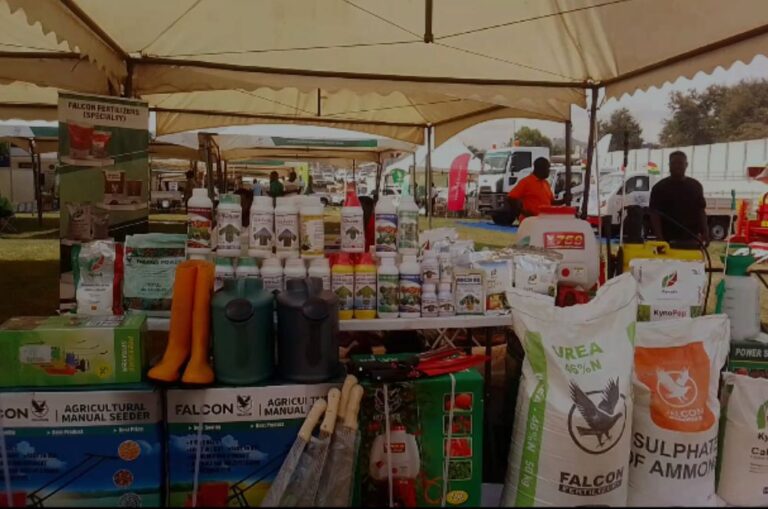
First, the Farmers’ Day celebration shines a powerful spotlight on the backbone of the Volta economy, farmers and fishers. By recognising excellence in agriculture, government is not only rewarding hard work but also sending a strong policy signal that food production remains a national priority. For the Volta Region, this translates into renewed attention on irrigation, mechanisation, storage systems and farmer cooperatives. These investments mean higher yields, less post-harvest loss, better incomes and greater food security for communities that have traditionally depended on farming for survival.
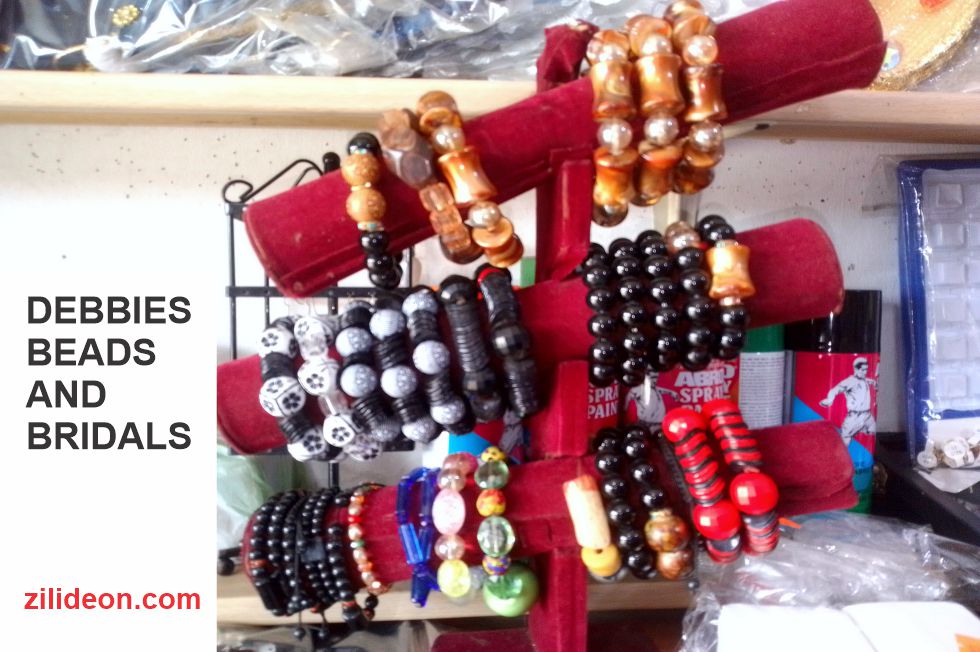
At the same time, the Volta Trade and Investment Fair, particularly the Women Entrepreneurship Summit, is adding another layer to the region’s economic story. While Farmers’ Day celebrates production, the trade fair promotes processing, branding, marketing and value addition. Women entrepreneurs showcasing products such as pomade, cookies and kente represent the shift from raw production to finished, market-ready goods. This is critical because regions do not grow wealthy by only producing raw materials; they grow by processing, packaging and trading them.
The Women Entrepreneurship Summit also highlights a key social and economic truth: when women succeed in business, families and communities become more stable. The focus on training, record-keeping, business registration and product certification speaks directly to sustainability. These are the foundations that allow small businesses to grow into medium-sized enterprises, create jobs and access both local and export markets.
When seen together, these two programmes form a powerful development chain for the Volta Region. Farmers’ Day strengthens the production base, crops, livestock and fisheries. The Volta Trade Fair strengthens the commercial side, entrepreneurship, processing, branding and market access. Combined, they move the region closer to a local economy where food is grown in Volta, processed in Volta, packaged in Volta and consumed or exported from Volta.
Another major benefit lies in youth and women empowerment. The recognition of farmers, young cultural performers, and successful women entrepreneurs sends a strong message that agriculture and local enterprise are dignified and rewarding career paths. This can reduce rural-urban migration, slow youth unemployment and keep talent within the region.
There is also a strategic regional branding advantage. Hosting national-level events positions Ho and the wider Volta Region as a centre for agribusiness, innovation and entrepreneurship. Investors, development partners and financial institutions begin to see the region not just as a consumer area, but as a production and processing hub.
In essence, these two events are not just celebrations, they are economic signals. They signal that Volta is ready to feed itself, trade more of what it produces, empower its women, professionalise its small businesses and compete in broader national and international markets.
If properly sustained, the impact could be long-lasting: more jobs, stronger household incomes, better food security and a Volta Region that is not only productive, but competitive.
Together, Farmers’ Day and the Volta Trade and Investment Fair point clearly to one future, a Volta Region that grows what it eats, processes what it grows, and earns more from what it produces.