When Funerals Lose Their Meaning — A Worrying Trend Among the Youth of Klefe
Image Credit: Zendo TV
Funerals in Ghana have traditionally been solemn occasions meant to honour the dead, comfort the bereaved, and remind the living of life’s fragility. Sadly, recent events suggest that this meaning is being steadily eroded, particularly in the way funerals of young people are being conducted.
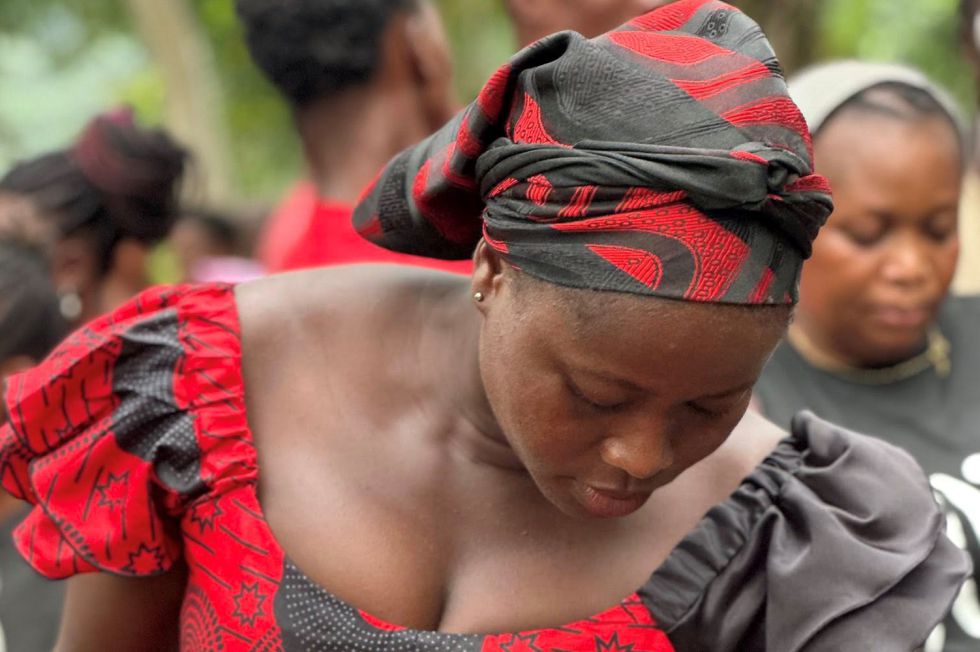
The recent funeral of a 43-year-old man, popularly known as Aborbi, in Klefe offers a troubling example. The deceased, who was the elder brother of the Assembly Member of the area, lost his life tragically while mining stones at Achatime, Klefe. His sudden death sent shockwaves across the three Klefe communities and surrounding towns. He left behind a young pregnant wife, a painful reminder of the life and responsibilities cut short.
When the body was brought from the morgue and laid in state at the family home, a large crowd gathered. While this in itself is not unusual, the manner in which the funeral procession unfolded raises serious questions. What should have been a respectful and orderly procession turned into hours of loud chanting, drumming, sirens, and street congestion.
More concerning events unfolded on the final day of the funeral. As burial arrangements neared completion, a group of youths forcefully took control of the coffin. The coffin was lifted, tossed about, carried through the streets, and subjected to what appeared more like celebration than mourning. At one point, card games were played on the coffin, and there were attempts to carry it to the mining site where the death occurred.
This behaviour prolonged the burial by several hours and exposed the deceased’s family, especially the widow—to unnecessary emotional trauma. Watching one’s loved one’s body treated in such a manner is deeply distressing and difficult to justify under any cultural or emotional explanation.
Beyond the emotional impact, there are also public health concerns. Keeping a corpse exposed within the community for extended periods and handling it irresponsibly raises legitimate health and safety questions. Are health authorities monitoring these practices? Are there guidelines, and if so, why are they not enforced?
Equally important is the role of traditional leaders, community elders, and local authorities. Funerals are cultural events, but culture must evolve when practices become harmful. Silence from leadership in the face of such excesses only encourages their repetition.
This is not an isolated incident. Similar scenes have been observed in other communities, suggesting a broader issue involving youth behaviour, substance abuse, and a growing disregard for social boundaries and empathy for the bereaved.
Funerals should never become spectacles. They should not deepen the pain of grieving families or expose communities to health risks. It is time for community leaders, health officials, and local authorities to confront this trend honestly and decisively.
Respect for the dead must never be optional. If funerals lose their dignity, we risk losing something far more important, our humanity.
This is not a funeral.
This is not mourning.
This is a funfair and it is unacceptable.